
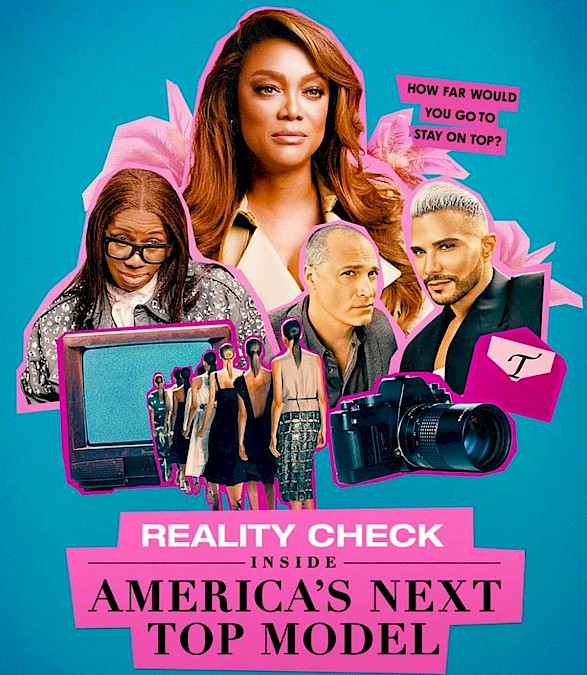
Tyra Banks filed a lawsuit against Netflix today, June 13, 2026, over the streaming platform's three-part docuseries Reality Check: Inside America's Next Top Model. She is alleging defamation, breach of contract, false endorsement, and false light - and at the center of the suit is a claim that producers surgically edited her interview footage to manufacture a narrative that did not reflect what she actually said.
The lawsuit was filed in Los Angeles and names Netflix, production companies 89 Blocks Holdings and EverWonder Studio, Netflix Music, and documentary co-directors Daniel Sivan and Mor Loushy as defendants. Banks is seeking a jury trial and damages for lost business opportunities, lost income, and mental anguish.
What Happened in the Documentary
Banks sat for a three-and-a-half-hour interview for Reality Check. According to the lawsuit, only about 16 minutes of that interview made it into the final series.
The most specific and damaging claim in the suit involves a segment about former contestant Shandi Sullivan, who appeared in Cycle 2. In the documentary, Sullivan described an incident in Italy during the show's production where she said she was blacked out when male models visited the house, and accused the original production team of framing her experience as a cheating scandal rather than what she was alleging it actually was.
The documentary then cuts to Banks's reaction: she glances upward, says "um," and the screen cuts to black. The implication is that she cannot remember the incident or does not know how to address it.
Her lawsuit says that the footage is deliberately misleading. According to the legal filing, the full, unedited interview shows Banks nodding affirmatively before that glance and immediately saying, "I do remember her story." Both of those things, the nod and the words, were removed before the sequence aired. What remained was constructed to look like something it wasn't.
The lawsuit also contends that the documentary failed to show Banks escalating concerns about the alleged conduct to network executives and supporting sexual-harassment training for cast and crew - both of which she says happened.
The Miss Jay Situation
The Shandi Sullivan segment is not the only editing dispute in the lawsuit. Banks is also contesting how the documentary portrayed her relationship with J. Alexander, the runway coach and judge known to fans as Miss Jay, who experienced health issues after the show ended.
The documentary, according to the lawsuit, creates the impression that Banks was absent from his life during that time. She says that is not what happened.
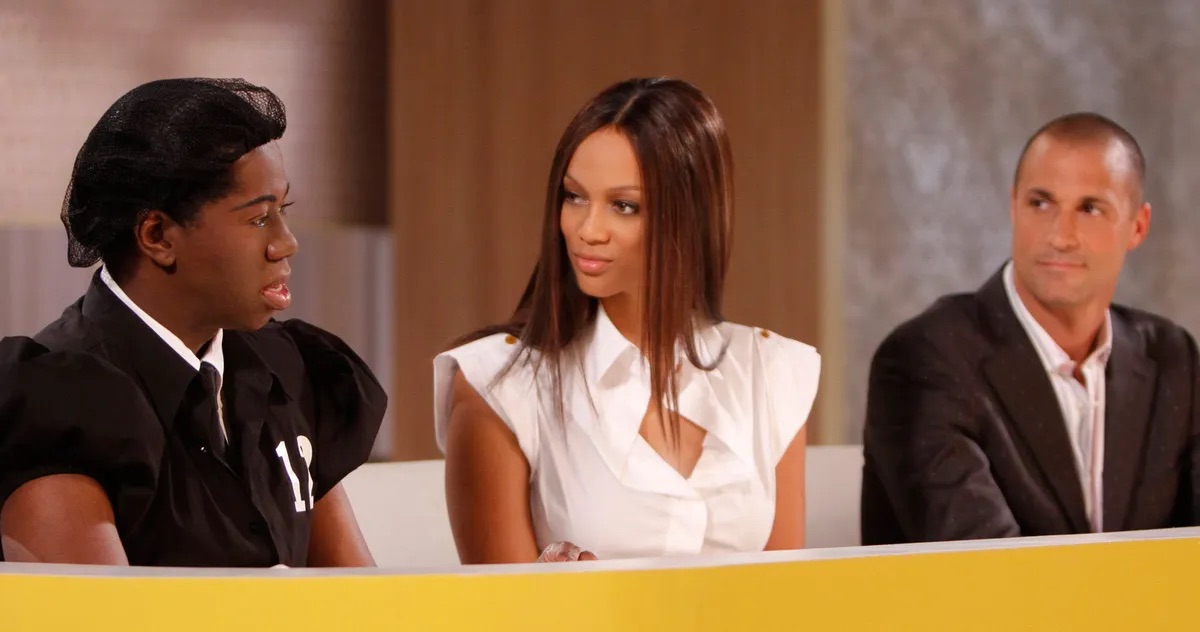
Banks had been living in Australia for more than two years, and the lawsuit alleges she repeatedly reached out to Alexander after learning about his condition. Text messages, voice notes, and photographs exchanged between the two over several years are cited in the complaint as evidence of ongoing contact. The documentary omitted all of it.
She is not just disputing the framing. She is saying the documentary removed proof that the framing was wrong.
The Bigger Claim
The suit frames the editing choices not as selective storytelling but as a deliberate effort to portray Banks as someone who knew about alleged misconduct on her show, exploited a contestant's trauma for ratings, and then couldn't remember any of it when asked about it years later.
Banks's legal team calls it "false and defamatory" and says the series constructed that narrative by stripping her interview of context in a way that crossed from documentary filmmaking into fabrication.
"The screen cuts to black," the filing says. "The implication is devastating and deliberate."
Where Things Stand
Netflix and the production companies named in the suit have not issued a public response as of the time of filing. The docuseries is currently streaming.
America's Next Top Model ran for 24 cycles from 2003 to 2018. Tyra Banks created the show, hosted it for most of its run, and remained one of its executive producers. Its cultural footprint is significant enough that a documentary interrogating the show's history was always going to attract attention.
Whether the lawsuit ultimately succeeds will depend on what that full, unedited interview shows. But the specifics laid out in the filing today are detailed and pointed. This one is going to be watched closely.


